
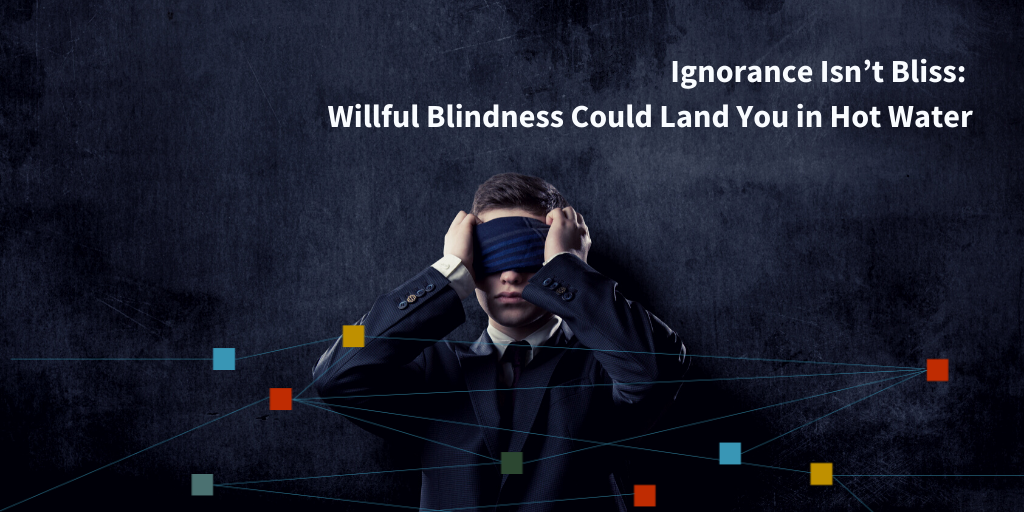
This may seem like a ridiculous hypothetical, but let’s run with it. Would you allow someone to lead you to an area near cliffs and then blindfold you? Even the biggest fan of extreme experiences would take issue with this scenario. There’s a nearly 100% chance you’d fall off one of those cliffs if you decided to keep moving once you had the blindfold on.

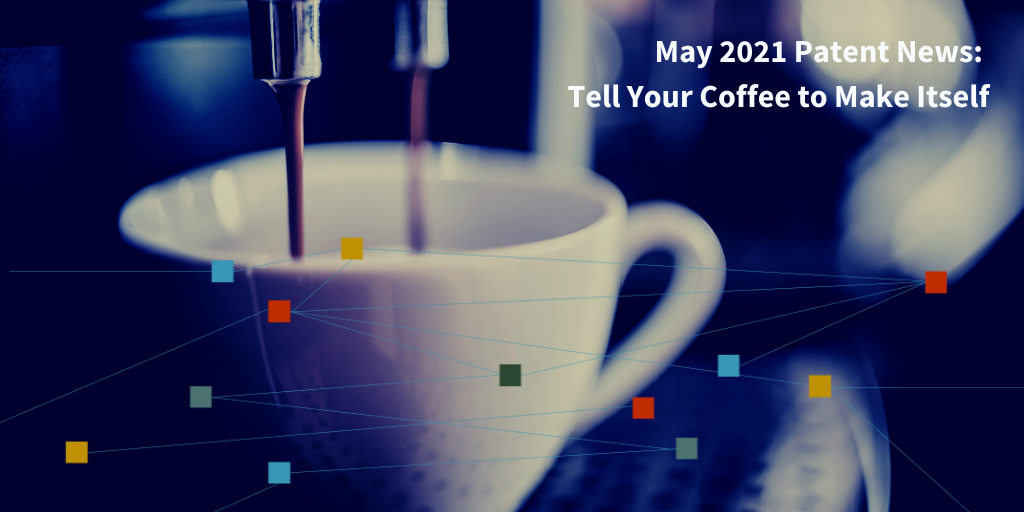
Living on your own gets easier and easier as Alexa gets smarter and smarter. Now that she can make your morning coffee, you may never need a spouse. However, being alone can be tricky when you need emergency health services. An ambulance might not be able to get to you in time, but a drone can! Interested? Read more. Or perhaps even work for the USPTO.
Categories: Innovation, Patent News, COVID-19
Who knew beating the virus could be as simple as enjoying some artwork? Or that the road to healing could be paved with surgical masks? Both still seem easier than teleportation, but Mark Zuckerberg assures us that’s what’s next on the horizon.
Categories: Innovation, Patent News, COVID-19
We’ll skip ahead a few years to 2001 in our short list of notable Lemelson-MIT Prize winners, as we focus on the winner from 2001: Raymond Kurzweil.
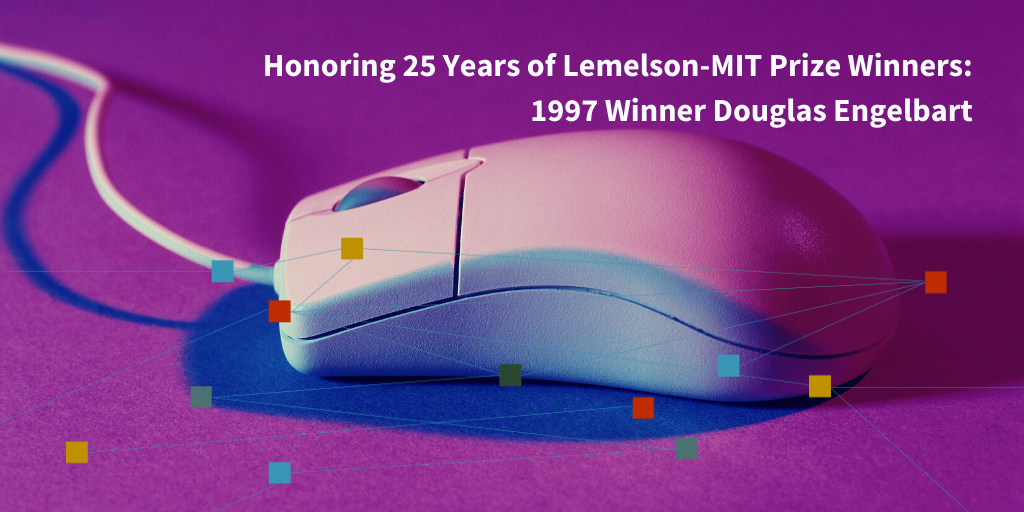
As we continue our series honoring 25 years of Lemelson-MIT Prize winners, we turn next to the winner in 1997: Douglas Engelbart. There is not a single computer user on Earth who hasn’t benefitted from Engelbart’s contribution to technology. Perhaps you’ve heard of it—the computer mouse.
Categories: Lemelson-MIT Program, Innovation
What contributes most to a modern, advancing society? It isn’t technology, per se, but rather how that technology is used. However, to have a society that thrives, a little enjoyment should be added to the mix.
Categories: Innovation, Patent News
As we focus on past Lemelson-MIT Prize Winners, we turn next to the winners of 1996, who opened the door to genetic engineering. Stanley Cohen and Herbert Boyer laid the foundations for gene therapy and the biotechnology and received the top prize of $500,000 for their innovations.
In a world tired of quarantining for Covid-19, many communities are seeing a decline in the members’ general state of emotional well-being. One Chinese company thinks they have just the patented device to heal that, while an American automobile company thinks it could be as easy as sharing a smile. And of course, no one is happy without fully-charged iPhones, so Apple is doing their part for society as well.
Categories: Innovation, Patent News, COVID-19